


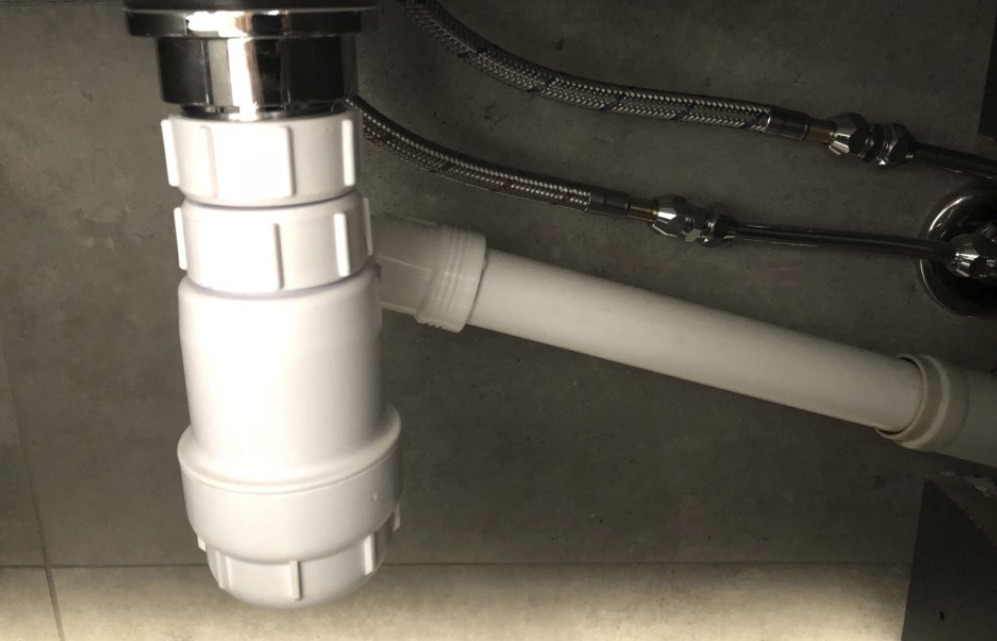
All homes have water traps. They are located under the washbasin in the bathroom or the sink in the kitchen. They are in the floor drain, the shower cubicle and the toilet. When was the last time you checked your water traps?
A water trap is an absolutely essential part of a home’s pipework. This little device prevents water from draining away, and is extremely important as there are sections of the drainpipe that must always be filled with water. This creates a barrier between the drainage system and the rest of the room. Without the water in the trap, foul odours and unpleasant gases would fill the rooms we use every day – something everyone naturally wants to avoid.
The vast majority of water traps are S-, U-, Q- or J-shaped, but more modern types may also come in other shapes. Water traps are easy to locate and see under washbasins, whilst those in the floor or toilet are usually completely concealed.
WHAT HAPPENS IF THE WATER LOCK DOESN’T WORK PROPERLY?
If the water trap is not working properly, you may experience odour problems or blocked pipes. This can be a major nuisance for those living in the home and make it difficult to spend time in certain rooms.
You often realise quite quickly if the water in the bathroom or kitchen sink isn’t draining properly, but in some cases you don’t notice this straight away. For example, we might run the tap in the kitchen sink to rinse vegetables or soak pots and pans. The next moment, we get distracted by a phone call, the children shouting or someone knocking at the front door. If the water isn’t draining properly down the drain, it can quickly overflow. This can lead to large amounts of water on the kitchen worktop and floor, and in some cases even minor water damage.
WHY DO PROBLEMS WITH THE WATER TRAP OCCUR?
Problems with the trap can occur quite frequently. It is very common for the trap to become blocked, which in turn leads to blocked pipes. This is because hair, grease, food scraps and other debris can clump together in the trap. Sometimes, the gasket that is supposed to sit around the «cup» before the trap is screwed into place is not fitted properly. It is important that it fits securely. If it is loose, this can lead to water leaks.
If you have a room that is rarely used, it may also be the case that the water in the trap has simply evaporated over time. This is particularly common in holiday home bathrooms and kitchens, which are only used at weekends or during holidays. This naturally means that the barrier between the drainage system and the rest of the room disappears, which will become apparent through a foul odour.
HOW TO EASILY MAINTAIN YOUR WATER TRAP
It is relatively easy to maintain a water trap, and you usually only need to do so a couple of times a year. Everyone should also be able to clean their water traps manually, rather than always relying on strong chemicals – which many people use incorrectly and end up causing more harm than good.
The very first thing you need to do is unscrew the water trap, which is located directly under the sink, by loosening the large nuts or bolts that hold the parts together. It’s a good idea to place a bucket under the sink so that you have something to catch any water or other items that might fall out.
Next, dismantle the system and clean the parts individually. Remove any hair or food residues, and wash the parts with warm water and a mild detergent. Scrub the inside of the pipes thoroughly with a brush to remove all deposits.
If it’s difficult to reach inside the drain trap, you can use a thick piece of steel wire. Bend it and use it to dislodge any blockages caused by hair, grease and dirt.
Finally, simply check all the parts you have cleaned. If any of them are damaged, they should be replaced. Then screw everything back into place in the correct order. Remember to make sure the gasket is fitted securely.
If you have a water trap with a foot valve, it will often be fitted with a bottom plug. This can be removed so that you do not have to dismantle the entire pipework to clean the water trap. If there is no bottom plug, you can clean it as best you can through the sink drain.
HAD A MIX-UP?
It’s all well and good to be able to maintain your trap yourself, but in some cases, cleaning the trap won’t solve problems with blocked pipes or unpleasant odours. In such cases, it may be wise to contact professionals who can resolve the situation quickly and effectively. VITEK has extensive experience with all types of pipework in a variety of homes and properties. You can contact us for a no-obligation site visit and a quote if you’re having trouble with your pipes. We guarantee that the work will be carried out to the highest standard, so that your daily life can return to being stress-free.